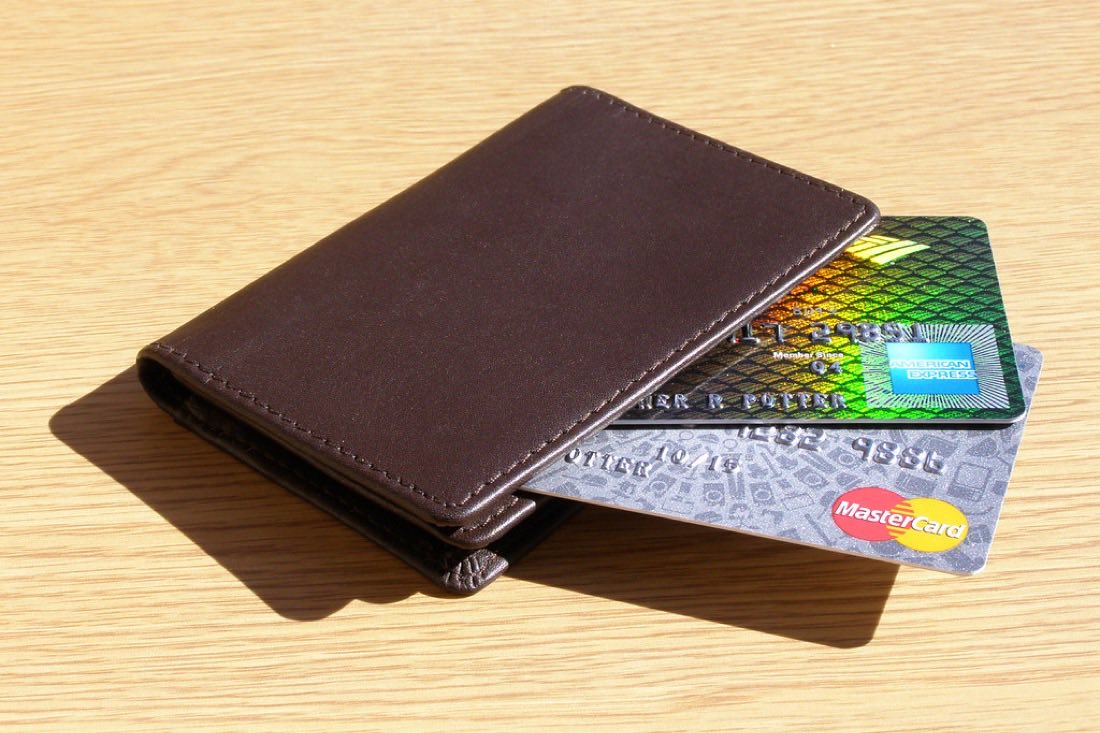
Why a blank credit file holds you back
If you've never had a loan or a credit card, the bureaus have nothing to score. Lenders call this being "credit invisible," and roughly 26 million U.S. adults sit in that group according to the Consumer Financial Protection Bureau. A blank file isn't a bad file. It's just empty, and that emptiness quietly costs you.
Landlords run credit checks. Car insurers price partly off it in most states. Cell carriers ask for a deposit when they can't see a history. So learning how to build credit from scratch isn't about chasing a number for its own sake. It's about getting approved for the everyday stuff without paying extra to prove you're trustworthy.
The good news: a thin file fills in faster than most people expect. Open the right account, use it lightly, pay it on time, and you can have a usable FICO score in about six months.
It helps to know what's happening behind the curtain. The three bureaus collect the data, and scoring companies like FICO and VantageScore turn that data into a number, usually between 300 and 850. When you have no accounts reporting, there's nothing to feed the formula, so most models simply return no score. Your job at the start is narrow: get one or two accounts reporting positive activity, and keep them clean. Everything else follows from that.
Start with a secured card or a starter card
The most reliable first move is a card that's built for people with no history. You've got two main doors.
- A secured credit card. You put down a deposit, often $200 to $500, and that becomes your limit. The card reports to the bureaus like any other card, but the deposit makes it low-risk for the issuer, so approval is easy. After a year of on-time payments, many issuers refund the deposit and graduate you to a regular card.
- A student or entry-level unsecured card. If you have steady income, some banks approve a no-deposit starter card. Limits are small and rates are high, which is fine because you shouldn't carry a balance anyway.
Before you apply, confirm one thing: the card reports to all three bureaus, Equifax, Experian, and TransUnion. A card that reports to only one does half the job. Skip anything with an annual fee over about $40 at this stage, and ignore the rewards pitch. You're here to build a record, not to chase cash back.
One more trap to dodge: prepaid debit cards and "credit builder" cards that don't actually report to the bureaus. A prepaid card you load with your own money looks like a credit card and feels like one, but it builds no history at all. If a product can't tell you in plain terms that it reports your payments, treat that as a no. The whole point is the reporting, so make the issuer prove it before you hand over a deposit.
A thin credit file fills in faster than most people fear; six months of small, on-time payments is often enough to get scored. Marcus Delgado, Novalyfe Finance
Borrow a stronger file as an authorized user
This one is underrated, and it can shortcut months of waiting. If a parent, partner, or close family member has an old card with a clean payment record, ask to be added as an authorized user. You don't need to touch the card or even hold it. Their account history can land on your report and pull your starting point up.
Two cautions here. First, pick the right account. The card you piggyback on should have a long history, a low balance relative to its limit, and zero late payments. If that person ever pays late or maxes the card out, the damage flows to you too. Second, confirm the issuer actually reports authorized users to the bureaus, because not all of them do. A quick call to the card's customer service settles it.
Used well, authorized-user status gives you a real history without a hard inquiry on your own name. It pairs nicely with a secured card you opened yourself, since lenders like to see you managing your own account alongside the borrowed one.
Add a credit-builder loan for payment depth
Credit-builder loans flip the usual loan logic. Instead of getting money up front, you make fixed monthly payments into a locked savings account, and the lender reports each payment to the bureaus. When you finish, you get the cash, minus a small fee or interest. Plenty of credit unions and community banks offer them for amounts like $500 to $1,000 over 12 months.
Why bother? Two reasons. It builds a record of installment payments, which is a different category than revolving credit cards, and a mix of both looks healthy to scoring models. It also forces a savings habit, so you walk away with a small cushion and a stronger file.
Some banks now report rent and utility payments too. Services that add your rent history to your credit report can help if you pay rent on time every month and want more positive data working for you. Check whether your landlord or a third-party service can report it, since rent is usually the biggest on-time payment you're already making.
The habits that actually move your first score
Once the accounts are open, the score itself comes down to a handful of behaviors. FICO weights payment history and amounts owed most heavily, so that's where to focus.
- Pay on time, every time. One missed payment can drop a young score by a lot and stick around for years. Set autopay for at least the minimum so a busy week never costs you.
- Keep your balance low. Aim to use under 30 percent of your limit, and under 10 percent is better. On a $300 secured card, that means staying below $90, ideally below $30. Pay it off before the statement closes.
- Don't open everything at once. Each application adds a hard inquiry and lowers your average account age. One card now, maybe a second account in six months, is plenty.
- Keep your oldest account open. Length of history matters, so don't close that first card once you graduate to something better.
- Check your reports for free. You can pull all three at AnnualCreditReport.com. Errors are common, and a wrong late payment on a thin file hurts more than it would on an established one.
Give it about six months of steady, boring use and you'll likely cross from "no score" into the low-to-mid 600s, with the 700s within reach inside a year or two. The whole system rewards patience over hustle. Open a little credit, use a little of it, pay it back on schedule, and let time do the rest.
A quick word on what not to do. You don't need to carry a balance to build credit, and you definitely shouldn't pay interest just to "show activity." That myth costs people real money. A card that's paid in full every month still reports the activity and still builds your history. You also don't need to fall for credit-repair pitches or pay a company to do something you can do yourself for free. Building from scratch is mostly a waiting game with a few smart setup moves at the front, and the moves above cover almost everyone's situation.
If you only remember one thing, make it this: open the right first account, automate the payment, and keep your usage low. Do that for half a year and you'll have a score. Keep doing it for a couple of years and you'll have a good one.