Start at the top, not the bottom
Most people flip a box over and stare at the calorie number first. That's the wrong place to begin. The two lines that change everything sit right above it: the serving size and the number of servings in the package.
Say a bag of chips lists 150 calories. Sounds reasonable. Then you notice the bag holds three servings, and you ate the whole thing in front of the TV. That's 450 calories, not 150. The serving size is the lens every other number on the label gets read through. Get that wrong and the rest is meaningless.
So the first move when you learn how to read nutrition labels is to check the serving size against how much you actually eat. A "single" muffin that's two servings, a soda bottle that's 2.5, a pint of ice cream labeled four servings nobody finishes in four sittings. The manufacturers know. Now you do too.
The FDA actually updated serving sizes a few years ago to better match how people eat, so a 20-ounce soda now reads as one serving instead of pretending to be 2.5. Some of these sizes got more honest. Plenty of packages still split a small portion into two or three "servings" to keep the calorie number on the front looking friendly. The fix is the same either way: read the serving line first, every time, before any other number gets to influence you.
The three numbers that actually matter
You could study every line on the panel. You won't, and you don't have to. In about 30 seconds you can scan for three things that tell you most of what you need to know.
- Added sugars. This line got its own row a few years back for a reason. The American Heart Association suggests keeping added sugar under roughly 25 grams a day for women and 36 for men. A single flavored yogurt or "healthy" granola bar can blow through half of that.
- Sodium. Most adults should stay under 2,300 milligrams a day, and a lot of us land closer to 3,400. Canned soup, frozen dinners, and deli meat are the usual culprits. If one item is pushing past 600 mg per serving, treat it as a splurge.
- Fiber. This is the number you want to go up. Foods with 3 grams or more per serving tend to keep you full longer, which quietly helps your budget because you snack less between meals.
Notice the pattern. Two numbers you want low, one you want high. That's the whole 30-second scan once you've checked the serving size.
What about calories, fat, protein, all the other lines? They matter, but they matter less for a quick aisle decision. If you nail the serving size and those three numbers, the rest tends to fall in line on its own. A food that's reasonable on sugar, sodium, and fiber is rarely a disaster everywhere else. Think of the three numbers as a filter that catches the worst offenders before they reach your cart, not a complete nutritional audit.
One more habit worth building: total sugars and added sugars are different lines. The fruit in a container of plain yogurt brings natural sugar, and that's fine. The added sugars line is the one that flags the candy hiding inside something marketed as a health food. When the two numbers are close, most of that sweetness was poured in at the factory.
Use the % Daily Value as a quick gut check
Down the right side of the label runs a column of percentages called the % Daily Value. People skip it because it looks like math. It isn't. The FDA built a simple rule into it: 5% or less is low, 20% or more is high.
That's the entire trick. You don't need to add anything up. If the sodium says 32% DV, that's high, put it back or plan around it. If the fiber says 24% DV, that's a win. You can compare two cereal boxes in the aisle in seconds without doing a single calculation.
The percentages are based on a 2,000-calorie day, which won't match everyone exactly. That's okay. You're not aiming for precision here, you're using it as a relative compass. A frozen meal at 45% sodium is high whether you eat 1,800 or 2,400 calories a day. The 5-and-20 rule is meant to be fast and forgiving, and it works best when you stop treating it like an exam and start treating it like a yes-or-no signal.
Two numbers you want low, one you want high, and a 5-or-20 rule for everything else. That's the whole label. The 30-second method
Where the label saves you money
Reading labels isn't only about health. It's one of the cheapest ways to stop overpaying for marketing. The front of a package is an ad. The back is the truth, and the truth is usually cheaper.
Here's where it pays off:
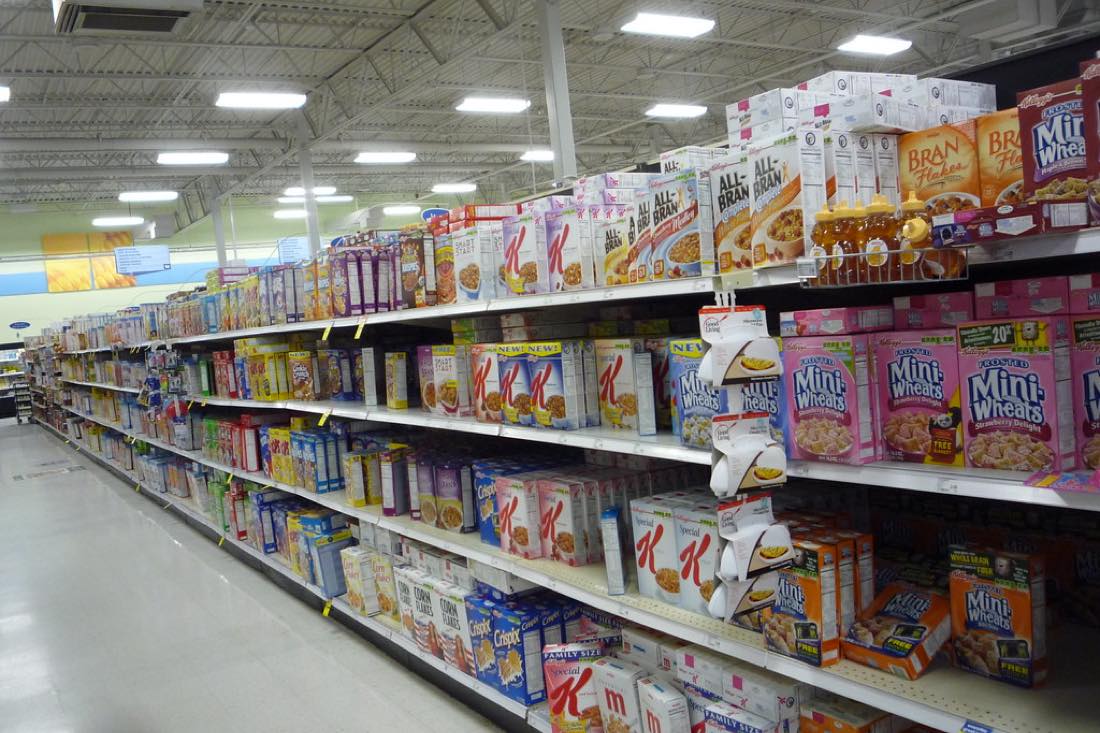
- Store brands almost always match. Flip the name-brand cereal and the store-brand cereal sitting next to it. Same fiber, same sugar, same sodium, often half the price. You're paying for the cartoon mascot, not the oats.
- "Healthy" claims on the front cost more and mean less. Words like natural, multigrain, and lightly sweetened aren't tightly regulated. The label settles the argument. A plain bag of frozen vegetables beats a pricey "superfood blend" most of the time.
- Unit price plus the label is the combo. Check the small per-ounce price on the shelf tag, then confirm the bigger box isn't just more sugar per serving. Bulk only saves money when the food is actually worth eating.
One rule I lean on: the shorter the ingredient list, the closer the food is to its raw form, and raw ingredients are usually the cheapest things in the store. A bag of dried beans costs about a dollar and outperforms most boxed dinners on every line of the label. Oats, rice, eggs, frozen produce, and canned tomatoes all follow the same logic. Cheap, simple, and they read clean on the back.
The ingredient list also exposes how a product earns its margin. When sugar, refined flour, and oil show up in the first three spots, you're paying premium money for the least nutritious filler. Flip that around at the store and you can usually find a plainer version of the same thing one shelf over for less. Labels turn vague shopping instinct into a fast, repeatable decision, and that's where the real savings live.
Build a 30-second routine you'll actually keep
None of this works if it feels like homework. The goal is a habit that runs on autopilot by your third trip. Try this order every time you pick something up:
- Check the serving size and how many servings are in the package.
- Glance at added sugars and sodium. Are they low?
- Glance at fiber. Is it 3 grams or more?
- Spot-check one % Daily Value using the 5-and-20 rule.
- Skim the first three ingredients. If sugar or a sugar alias shows up first, reconsider.
That's it. Five quick looks, well under a minute. Do it on the five or six items you buy on repeat, the cereal, the bread, the yogurt, the sauce, and you've covered most of your cart for good. You don't need to re-read the same box every week once you know it checks out.
Start with one aisle this week. Compare two products you already buy and let the label break the tie. Once you've caught a couple of "healthy" labels overcharging you, reading the back becomes second nature, and your cart and your wallet both feel it.