What these rebates actually cover
The home upgrade rebates 2026 program traces back to the Inflation Reduction Act, which set aside roughly $8.8 billion for two pots of money your state runs locally. The first, often called the Home Efficiency Rebates, pays based on how much energy a project saves across the whole house. The second, the Home Electrification and Appliance Rebates, pays a flat amount per qualifying appliance.
That second pot is where the headline $8,000 lives. It applies to a heat pump for heating and cooling, which is the single biggest payout in the program. Other covered items include:
- Heat pump water heaters, up to $1,750
- Electric stoves and heat pump clothes dryers, up to $840 each
- Electrical panel upgrades, up to $4,000
- Insulation, air sealing, and ventilation, up to $1,600
- Wiring, up to $2,500
You won't stack every line at once. There's a household cap, typically $14,000 total across electrification rebates, so think of it as a menu rather than a checklist.
The efficiency rebates work differently. Instead of paying per gadget, they reward the total drop in your home's energy use. Cut measured energy use by 20% and you can earn up to $2,000, or half the project cost, whichever is lower. Hit 35% savings and that ceiling rises to $4,000. Lower-income households can double those amounts. A deep retrofit that combines insulation, air sealing, and a new heating system is where this pot really pays, because it's the whole-house result that counts, not any single product.
One question I hear constantly: can you use both pots on the same house? Yes, but not on the same exact measure. You can't claim an appliance rebate and an efficiency rebate for the identical heat pump. You can, however, take the appliance rebate on the heat pump and the efficiency rebate on the insulation work that surrounds it.
Who qualifies, and for how much
Income decides the size of your discount. The electrification rebates use your area median income, or AMI, as the dividing line, and that number changes by county.
Here's the short version. If your household earns under 80% of your area median income, the program can cover up to 100% of an eligible project, capped at the per-item limits above. Earn between 80% and 150% of AMI, and you're looking at up to 50% of project costs. Above 150%, you generally miss the appliance rebates, though you may still qualify for the efficiency rebates and federal tax credits.
One detail trips people up: the efficiency rebates have no hard income cutoff, but lower-income homes get larger amounts and can claim a higher share of the cost. Renters aren't shut out either. In many states a landlord or a multifamily building owner can claim on behalf of the units, and some appliance rebates follow the tenant.
To see where you actually land, look up your county's AMI on the program portal your state launches, or on the Department of Housing and Urban Development's income limit lookup. The number is set by household size, so a family of four and a single renter in the same building can fall in different tiers. If you already get help through SNAP, Medicaid, or LIHEAP, several states treat that enrollment as automatic proof of the lowest income band, which skips the paperwork entirely.
Treat the rebate like a coupon with an expiration date you can't see, because the funding really can run dry mid-year. Dana Whitfield, Novalyfe
How to claim the money step by step
The process feels bureaucratic the first time, so here's the order that works:
- Find your state program. The U.S. Department of Energy keeps a running map of which states have launched. Search your state plus "home energy rebates" and land on the official .gov page, not a lookalike.
- Check your income tier. You'll need recent pay stubs or a tax return to prove your AMI band. Some states verify this automatically through existing benefit enrollment.
- Get an eligible contractor. Most appliance rebates require an approved installer, and the discount comes off your invoice instead of arriving as a check months later.
- Keep every receipt. Model numbers, AHRI certificates for heat pumps, and the itemized invoice all matter if anyone audits the claim.
The point-of-sale design is the part worth repeating. For the electrification rebates, you usually don't front the full cost and wait. The contractor applies the discount when you pay, which keeps a $9,000 heat pump from becoming a $9,000 hole in your checking account while you wait on a refund.
Don't forget the tax credits on top
Rebates and tax credits are two separate buckets, and you can often use both on the same project. The IRS runs the Energy Efficient Home Improvement Credit, which gives back 30% of the cost of qualifying upgrades, up to $3,200 a year. That breaks into $1,200 for things like insulation and windows and a separate $2,000 for heat pumps and heat pump water heaters.
Because the credit resets every tax year, spreading work across two Decembers can mean two full years of credits instead of one. A new heat pump in late 2026 and attic insulation in early 2027 lets you claim the heat pump cap one year and the insulation cap the next. Pair that with a state rebate at the register and a single project can carry two layers of savings.
Keep the manufacturer's certification statement with your tax records. The IRS doesn't want it mailed in, but you'll need it if your return gets a second look.
There's also a separate Residential Clean Energy Credit worth 30% with no annual dollar cap, aimed at solar panels, battery storage, and geothermal systems. If a bigger project is on your horizon, that one carries unused credit forward to future tax years, so a small tax bill this year doesn't waste the benefit. A quick note on timing: tax credits land when you file, months after you pay, while the state rebates hit at the register. Plan your cash flow around that gap so a winter furnace failure doesn't catch you short.
The catch, and how to beat it
Funding is the real constraint. States received fixed allocations, and once a state burns through its share, applications pause until more is released or the window closes. A few states front-loaded their launches and have already seen heavy demand on heat pump rebates.
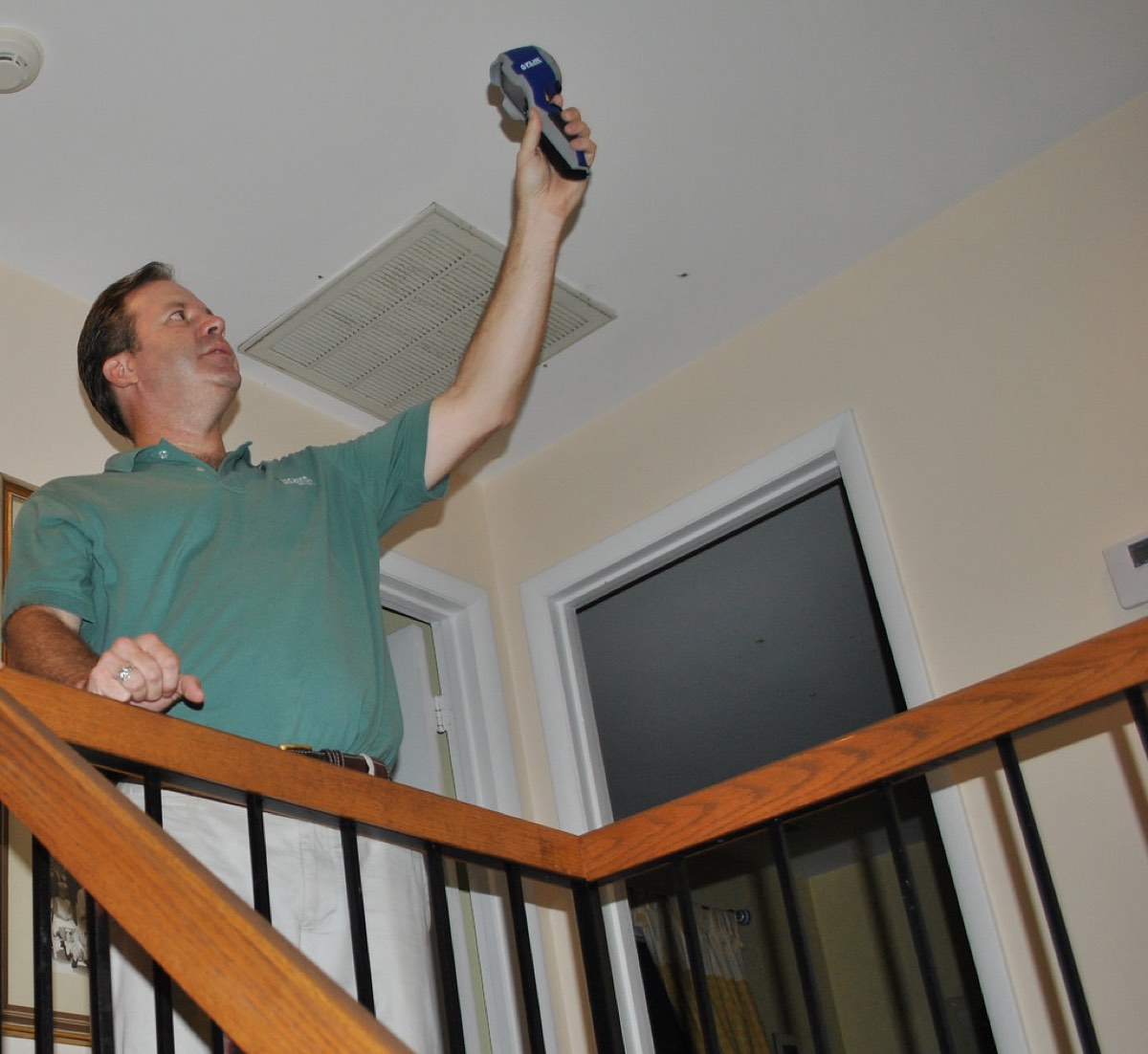
So move with a little urgency, but not so fast that you skip the homework. Get a home energy assessment first, since a $200 audit can reveal that air sealing saves you more than a flashier appliance swap. Confirm your contractor is on the state's approved list before signing anything. And screenshot the rebate amounts the day you apply, because terms get revised as budgets tighten.
The households that win here aren't the ones chasing the biggest sticker number. They're the ones who matched a real need, a dying furnace or a freezing back bedroom, to a rebate that was sitting there unclaimed. If something in your home is on its last legs, this is the year to check what your state will pay toward the replacement.