Start with the toilet, your most expensive leak
If you want to know how to lower your water bill and you only fix one thing, fix the toilet. A toilet that runs at night or refills on its own is the single biggest silent water waster in most homes. The EPA estimates that a worn flapper can leak hundreds of gallons a day before anyone notices, and the only sign is a slightly higher bill.
Test it in two minutes. Drop a few drops of food coloring into the tank, wait ten minutes without flushing, and check the bowl. If color shows up in the water, the flapper isn't sealing.
- Replace the flapper. A universal rubber flapper runs about $6 at any hardware store and snaps on with no tools.
- Adjust the fill valve. If the water level sits above the overflow tube, lower it so the tank stops earlier on every flush.
- Check the chain. A chain that's too long gets stuck under the flapper and holds it open. Trim a link or two.
Toilets are also where the biggest free win lives. The EPA reports that toilets account for almost 30 percent of indoor water use in the average home, more than any other single fixture. If yours predates 1994, it likely uses 3.5 gallons or more per flush. A modern 1.28-gallon model is an upgrade worth pricing out, but you don't have to replace anything today to start saving. Just keep that flapper sealing and the tank level set right.
Tackle the bathroom faucet and shower
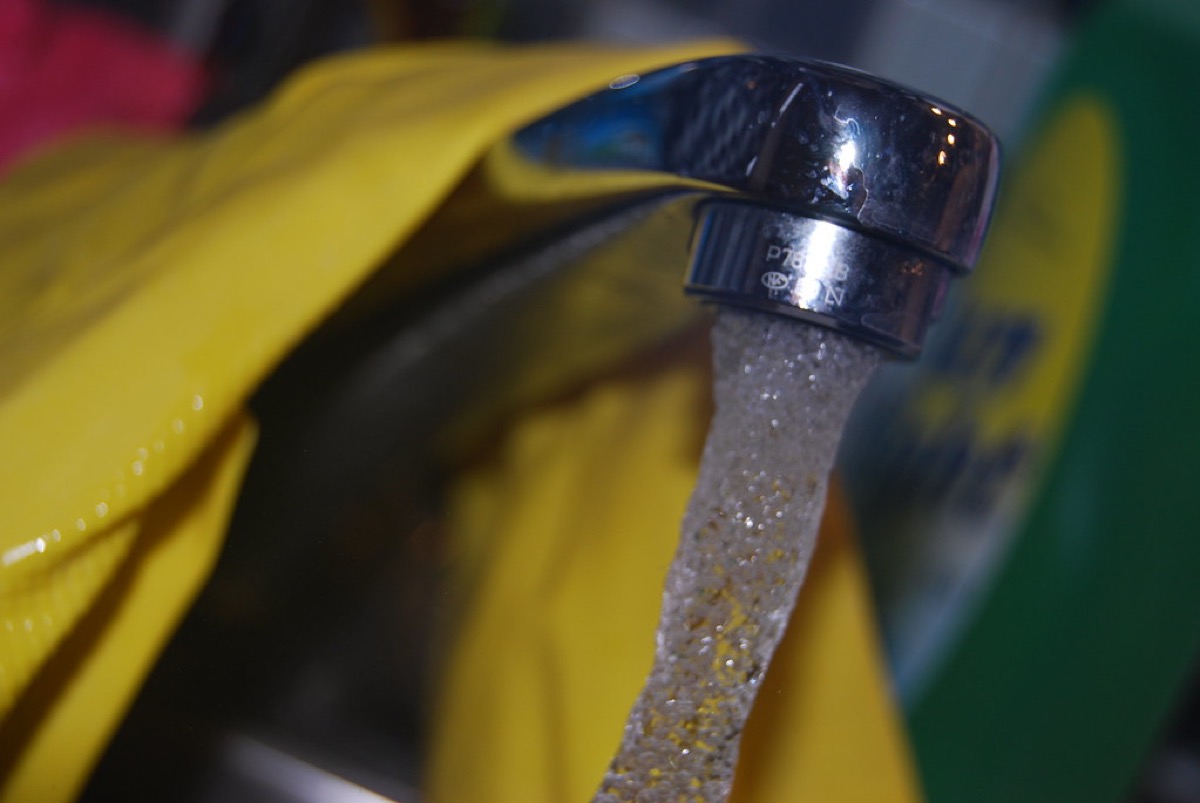
The bathroom is where small parts pay off fast. A faucet aerator, that little mesh screen on the tip of the spout, controls how much water comes out. Older faucets push out 2.2 gallons a minute or more. A WaterSense aerator cuts that to 1.5 or less and costs around $3. You won't feel the difference at the sink, but your meter will. Unscrew the old one by hand or with pliers, screw the new one on, and you're done in under a minute.
Showers are the bigger prize. A standard showerhead moves about 2.5 gallons a minute. Swap in a WaterSense model rated at 1.8 and a 10-minute shower drops from 25 gallons to 18. For a family of four showering daily, that's roughly 10,000 gallons saved over a year. The good low-flow heads use air to keep the pressure feeling strong, so nobody in the house has to suffer through a weak trickle to save money.
A few habits in this room cost nothing and matter just as much as the hardware:
- Turn the tap off while you brush. Letting it run wastes a couple of gallons every time, twice a day, for every person in the house.
- Shorten the warm-up wait. Catch the cold water in a bucket while the shower heats up and use it for plants or the next toilet flush.
- Skip the bath when you can. A full tub holds about 35 gallons, double what an efficient shower uses.
A toilet flapper you can replace for six dollars can leak more water in a month than your whole family drinks in a year. EPA WaterSense
Hunt down leaks you can't hear
Some leaks announce themselves with a drip. The expensive ones don't. The EPA says household leaks waste nearly a trillion gallons a year across the country, and a lot of that comes from drips and seeps no one ever spots.
Your water meter is the best leak detector you already own. Pick a stretch of two hours when nobody uses water, write down the meter reading, then check it again. If the number moved, water is going somewhere it shouldn't. Many meters also have a small leak indicator, a little triangle or dial that spins whenever water is flowing. If it's turning while everything is off, you've got a leak to chase down.
- Faucet drips. One drip per second adds up to thousands of gallons a year. A 50-cent washer or a $5 cartridge usually fixes it.
- Under-sink connections. Run your hand along the supply lines and shutoff valves. Damp means a slow leak.
- The hose bib outside. A worn outdoor spigot drips into the dirt where you never see it. A new washer is pocket change.
- Showerhead and tub spout. A few drips after you shut the water off usually means the cartridge or the diverter needs a cheap rebuild kit.
The EPA runs a Fix a Leak Week every March for exactly this reason, because the math is so lopsided. The fixes are measured in dollars and the waste is measured in thousands of gallons. Spend one Saturday morning walking the house with a flashlight and you'll likely find one or two slow leaks you had no idea were running up the bill.
Fix the laundry and kitchen habits that drain you
Appliances and routines in these two rooms quietly run up the bill. You don't need new machines to save, you just need to run the ones you have smarter.
Wait for full loads. A washing machine uses roughly the same water whether it's half empty or packed, so half-loads double your cost per shirt. Same logic for the dishwasher. A modern dishwasher run full beats hand-washing a sink of dishes, which can burn 20 gallons if you leave the tap running the whole time.
- Keep a pitcher of water in the fridge. No more running the tap until it gets cold every time you want a drink.
- Scrape, don't rinse. Your dishwasher handles food scraps fine. Pre-rinsing every plate wastes gallons for nothing.
- Match the load size. If your washer has a water-level setting, use it for small loads instead of defaulting to full.
- Thaw in the fridge, not the sink. Running water over frozen meat to defrost it pours gallons straight down the drain.
When an appliance finally dies, that's your chance to upgrade. A WaterSense or Energy Star washer can use a third less water than a 15-year-old top-loader, and the savings stack up every single load for the life of the machine. You don't need to rush the replacement, but it's worth knowing the efficient model is the cheaper one to own over time.
Add up the savings and make it stick
None of these fixes are dramatic on their own. Together they add up. A flapper, two aerators, an efficient showerhead, and a washer replaced over a weekend can land under $20 and trim a noticeable slice off every bill from here on out.
The Department of Energy points out that cutting hot water use saves twice, once on the water and again on the energy to heat it. So a low-flow showerhead chips away at your gas or electric bill at the same time. That double saving is why the shower swap usually pays for itself faster than anything else on this list.
It also helps to know what you're working with. Pull a recent bill and find your cost per gallon or per unit. Once you see that a long shower or a running toilet has an actual price tag, the cheap fixes stop feeling optional. Some utilities even offer free aerators or showerheads if you ask, so it's worth a quick call before you buy anything.
Walk your house once a season with this list. Flush the food-coloring test, feel the supply lines, watch the meter for an hour. The parts are cheap, the checks are quick, and the savings show up month after month without you thinking about it again.