Why you're overpaying for the easy stuff
Call a handyman to swap a faucet washer and you'll often pay their trip minimum, somewhere around $75 to $150, for maybe five minutes of work. The part costs under a dollar. That gap is where most homeowners quietly bleed money every year.
The good news: a big chunk of household repairs fall into the "easy DIY home repairs" bucket. They don't touch gas, structure, or anything that can shock you, and a beginner can finish them with a basic toolkit in an afternoon. The trick is knowing which jobs those are, and being honest about the ones that genuinely need a licensed pro.
This list splits the line. First, 15 repairs you should stop paying for. Then the jobs where hiring out is the smart call, because a cheap mistake there gets expensive fast.
One mindset shift helps before you start. A pro charges for two things: skill and risk. For a clogged drain or a loose cabinet knob, you're paying almost entirely for the trip, not the talent. For a gas line, you're paying for the years of training that keep your house from blowing up. Sort every repair by which one you're actually buying, and the right call usually becomes obvious.
15 repairs you should stop paying for
None of these need a license, a permit, or more than a $40 toolkit. Watch a short video first if a job is new to you, then go slow.
- Running toilet. A worn flapper is the usual culprit. The part runs about $5 and snaps in by hand. A running toilet can waste 200 gallons a day, so this one pays for itself fast.
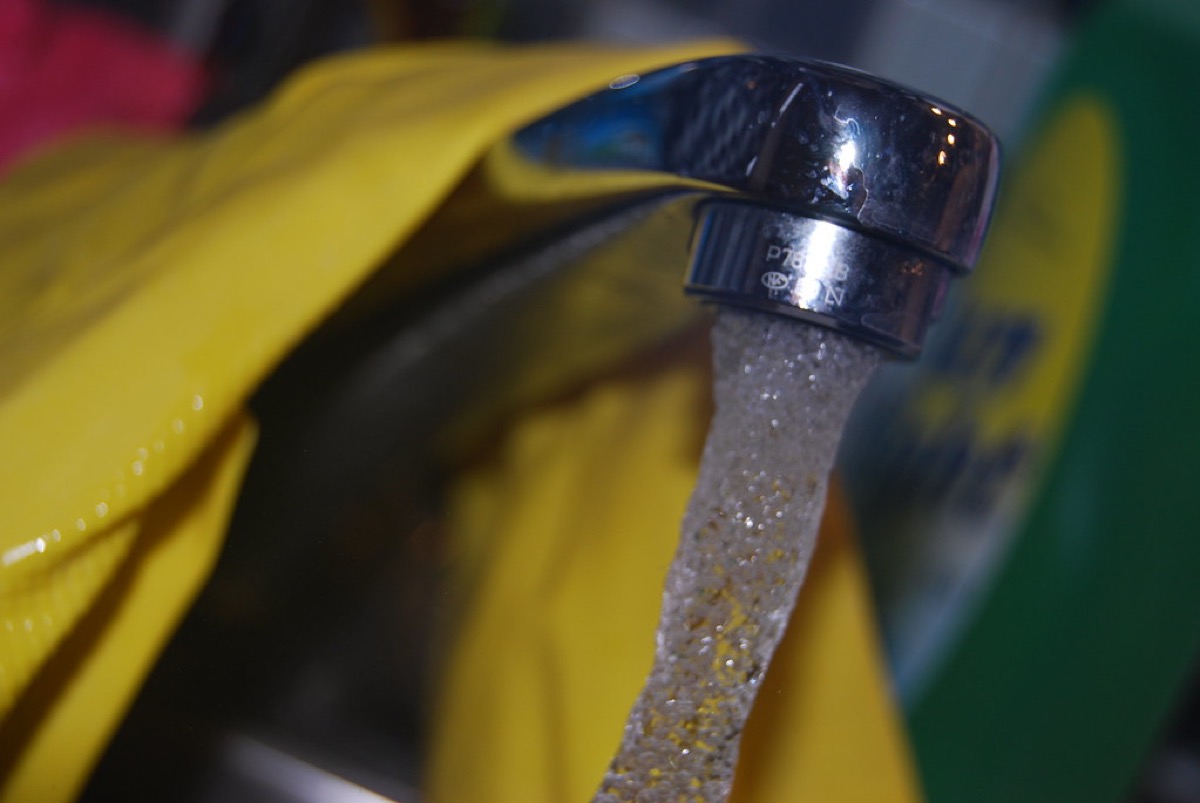
- Leaky faucet. Most drips come down to a worn washer or O-ring. Shut the water off, take the handle apart, match the rubber part at the hardware store.
- Clogged drain. Skip the harsh chemicals. A $3 plastic drain stick or a cup of baking soda and vinegar clears most slow sink drains.
- Caulking a tub or sink. Old cracked caulk lets water rot the wall behind it. Peel it out, run a fresh bead, smooth with a wet finger.
- Patching small drywall holes. Nail holes and dings fill with a $6 tub of spackle and a putty knife. Sand, prime, paint.
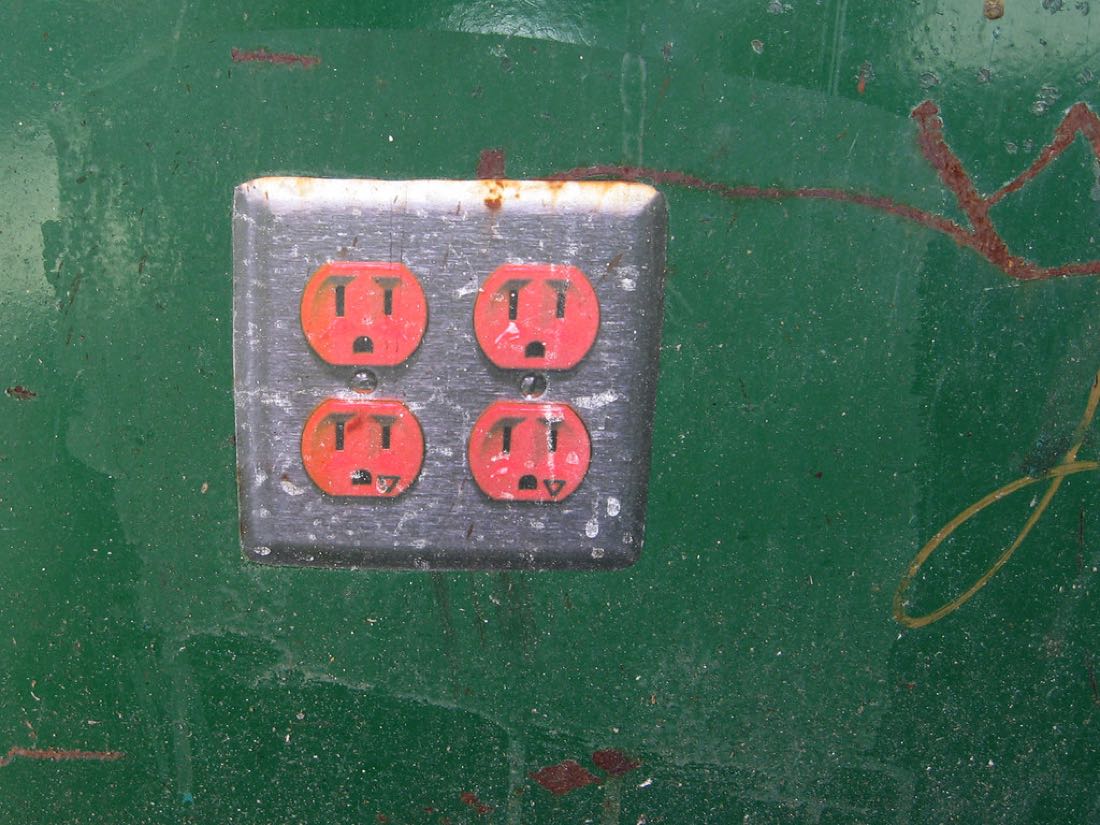
- Replacing a light fixture switch plate or outlet cover. Cosmetic covers just unscrew. No wiring involved.
- Swapping a showerhead. Unscrew the old one, wrap the threads with plumber's tape, screw on the new one by hand.
- Re-screening a window or door. A roll of screen and a spline tool brings a torn screen back to life for a few bucks.
- Touching up exterior caulk and weatherstripping. Sealing gaps around doors and windows is cheap and cuts drafts you can feel.
- Replacing furnace and HVAC filters. A dirty filter makes your system work harder. Slide the old one out, slide a new one in, note the size.
- Fixing a sticking door. Tighten the hinge screws or rub a bar of soap on the latch. A longer screw often pulls a sagging door back into line.
- Unsticking or lubricating windows. A shot of silicone spray on the tracks fixes most stiff sliders.
- Patching a small roof flashing gap with sealant. Reachable from a ladder and clearly visible, a dab of roofing sealant buys time. Anything steep or high, hire out.
- Replacing cabinet hardware and hinges. New knobs and pulls are a screwdriver job that makes a kitchen look new.
- Resetting a tripped GFCI outlet. Press the reset button on the outlet. If it keeps tripping, that's your cue to call an electrician.
Knock out three or four of these in one weekend and you've likely saved more than the cost of the tools.
Paying $120 to replace a $5 toilet flapper is the kind of bill that makes a plumber smile and your wallet wince. Marcus Delgado, Novalyfe
The jobs worth hiring a pro for
Saving money stops being smart the second a repair can hurt you, void your insurance, or flood your basement. These belong with a licensed pro, full stop.
- Anything behind the electrical panel. Adding circuits, moving wiring, or touching the main panel is licensed-electrician work. The U.S. Consumer Product Safety Commission ties thousands of home fires each year to wiring problems.
- Gas lines and gas appliances. A gas leak can level a house. Water heaters, furnaces, and gas ranges get installed by someone certified.
- Major plumbing inside walls. A surface fix is fine. Re-piping or anything that means opening a wall is a plumber's job.
- Roof replacement and steep roof work. Falls are one of the leading causes of home repair injuries. Leave heights and full roofs to crews with harnesses.
- Structural changes. Removing a wall, touching a beam, or anything load-bearing needs an engineer or contractor, plus a permit.
- Asbestos, lead paint, and mold. Homes built before 1978 can hide lead paint, and the EPA requires certified contractors for renovation work that disturbs it.
The pattern is simple. If a mistake means a fire, a flood, a fall, or a poison, that money is buying you safety, not just labor.
The starter toolkit that handles most repairs
You don't need a garage full of gear. Most of the easy DIY home repairs above come down to one short shopping list you can buy once and use for years.
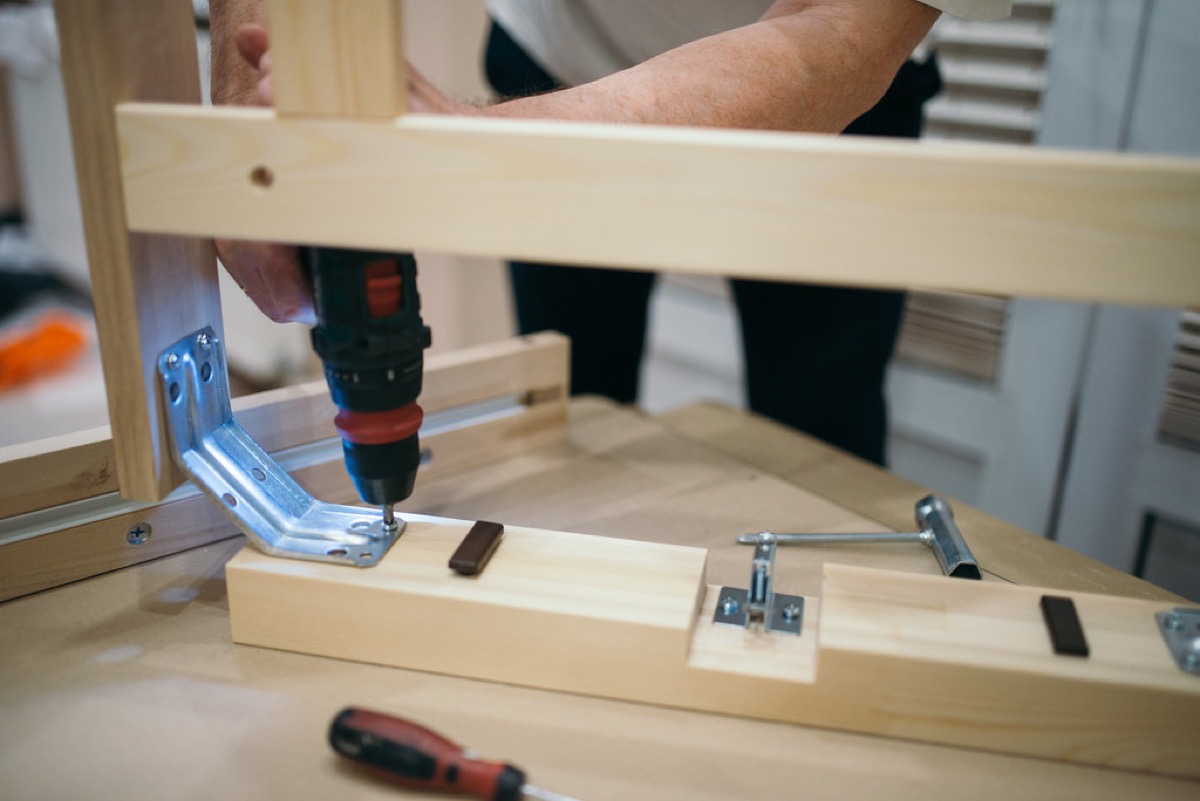
- A cordless drill and a basic bit set. The single most useful tool in the house.
- Screwdrivers, a couple of flatheads and Phillips, plus an adjustable wrench.
- A utility knife, tape measure, and level. Cheap, and you'll reach for them constantly.
- Plumber's tape, a putty knife, and a caulk gun. These three cover most water and wall jobs.
- A voltage tester. Under $15, and it tells you a wire is dead before you touch it.
Budget around $40 to $80 for the whole kit if you start from nothing. One avoided service call usually covers it.
A few cheap consumables are worth keeping on the shelf too. A tube of paintable caulk, a small tub of spackle, a roll of plumber's tape, and a couple of spare furnace filters in the right size mean you can fix things the day they break instead of waiting for a weekend store run. None of it costs more than a takeout dinner, and all of it sits ready when a drip or a draft shows up.
How to decide in the moment
When you're staring at a problem and not sure which side of the line it falls on, run three quick questions before you grab a tool or grab the phone.
First: can this hurt me or burn the house down? Electricity, gas, and heights are automatic pro jobs. Second: do I need a permit or an inspection? If yes, a licensed contractor keeps your insurance and your future home sale clean. Third: what does a mistake cost? A botched faucet washer costs you another trip to the store. A botched gas line costs far more.
If a repair clears all three, it's almost always a DIY job worth trying. Shut off the water or power first, keep the old part to match at the store, and stop the moment something feels beyond you. There's no shame in starting a job and calling for backup. The goal isn't to do everything yourself. It's to stop paying pro prices for ten-minute fixes.