Start where the money actually leaks out
Before you buy anything, look at where your money is already escaping. For most US households the two biggest line items are heating and cooling, and they swallow close to half the energy bill. The U.S. Department of Energy puts space heating and air conditioning at roughly 43 percent of home energy use. So the cheapest wins almost always involve stopping conditioned air from sneaking out through gaps you can't see.
That's good news for your wallet. The fixes with the fastest payback aren't the flashy ones. They're boring, small, and often under twenty bucks. A solar panel array is great, but it can take a decade to break even. A tube of caulk breaks even before the next billing cycle closes.
The trick is to spend on the right end of the problem. People love to shop for the big-ticket green gadget, then ignore the gap under the front door that's been bleeding heat for years. If your house were a bucket, you'd patch the holes before you bought a bigger faucet. Sealing, lighting, and water all patch holes. They're not glamorous, but they win on pure return.
Here's the order I'd tackle things in, roughly fastest payback first:
- Air sealing around windows, doors, and outlets
- LED bulbs in the fixtures you actually use
- Water-saving showerheads and faucet aerators
- A smart or programmable thermostat
- Power strips to kill phantom loads
Air sealing: the under-$50 fix that beats everything
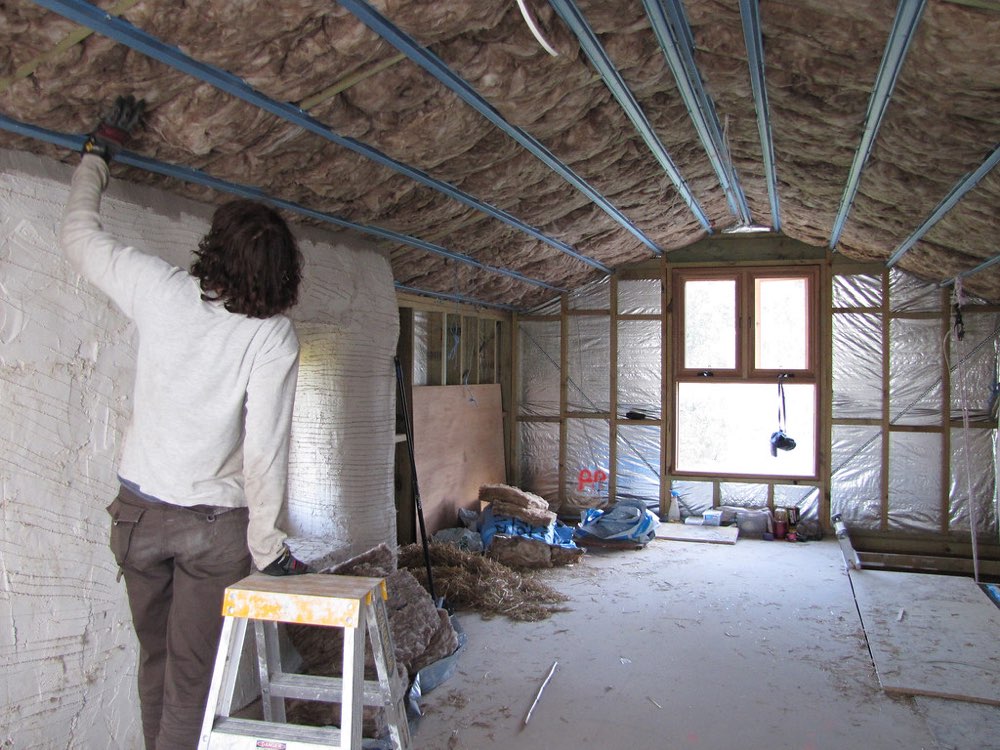
If you do one thing this weekend, seal your home's air leaks. Caulk and weatherstripping are cheap, and the savings show up fast. The Department of Energy estimates that sealing leaks plus adding attic insulation can shave around 15 percent off heating and cooling costs for a typical house. Even just the sealing part, done with a $6 tube of caulk and a $12 roll of weatherstrip, knocks a real dent in the bill.
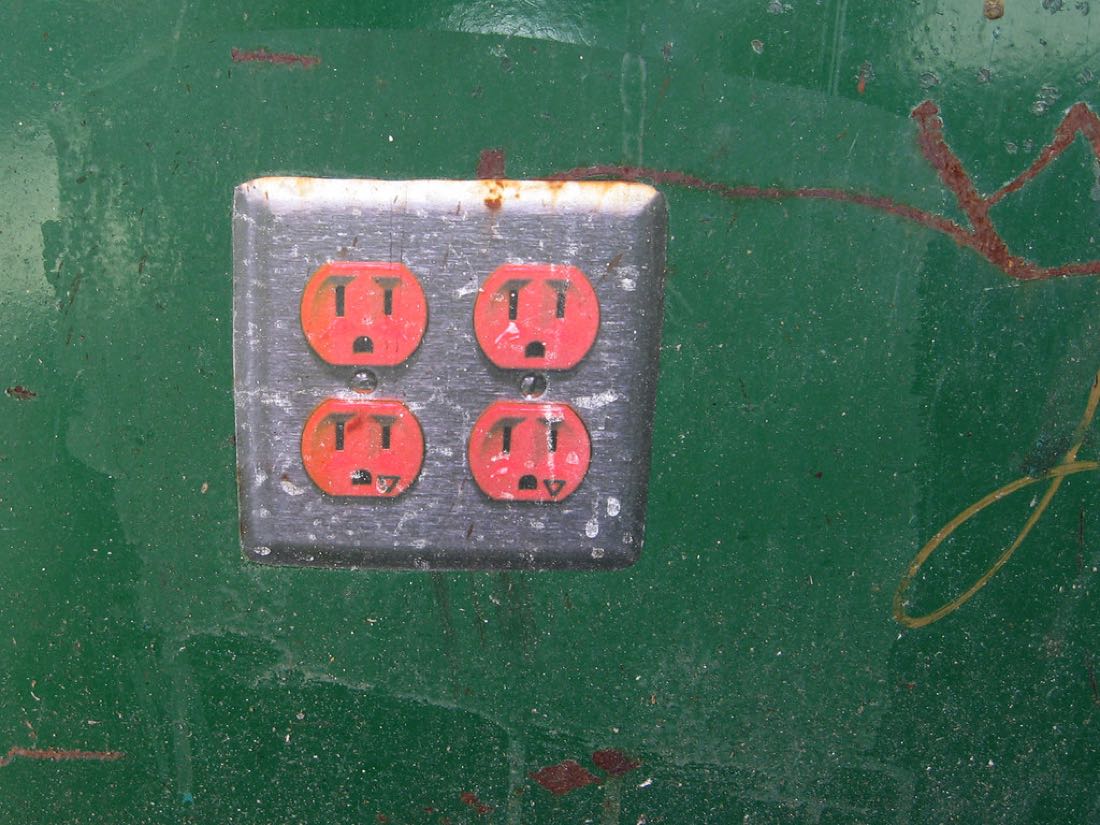
Where to look first: the bottom of exterior doors, the gaps around window frames, and the spots where pipes or wires punch through walls. On a windy day, run a damp hand along those edges and you'll feel the draft. Outlets on exterior walls leak too, and foam gasket plates cost about a dollar each.
Say air sealing trims $20 a month off a $130 bill. You've spent maybe $40 on supplies. That's paid back in two months, and the savings keep coming every winter and summer after.
Two spots people miss. The attic hatch is usually a bare board that sits in its frame with no seal at all, so warm air pours up through it all winter. A strip of foam weatherstrip around the hatch lip fixes that for a couple of dollars. The other is the dryer vent and bathroom fan ducts, which often have flimsy flaps that stay propped open. A backdraft damper is a $10 part and stops a steady leak of conditioned air you never notice.
The fixes with the fastest payback aren't the flashy ones, they're the boring twenty-dollar ones you can finish on a Saturday. Dana Whitlock, Novalyfe
Swap your bulbs and your shower
LED bulbs are the easiest upgrade on this list. An LED uses about 75 percent less energy than an old incandescent and lasts far longer, according to the Department of Energy. A four-pack runs around $10. If you're still burning incandescents in your most-used rooms, the kitchen and the living room, those bulbs pay for themselves in a few months and then keep saving for years.
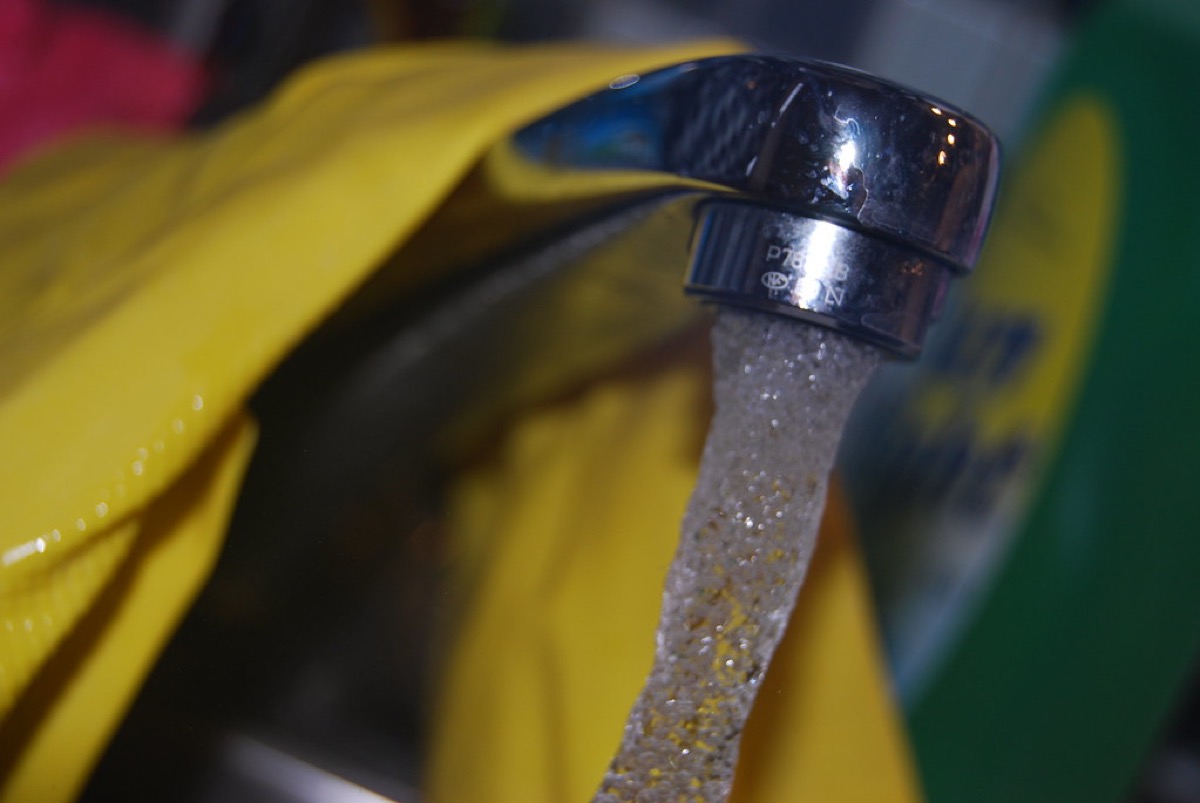
Water is the other quiet drain, and it hits two bills at once: the water bill and the gas or electric you spend heating that water. A WaterSense-labeled showerhead costs $10 to $20 and cuts flow without making the shower feel weak. Faucet aerators are even cheaper, often a couple of dollars each.
- Showerhead: swaps in five minutes with a wrench and some plumber's tape
- Aerators: screw onto the faucet tip by hand
- Both trim hot-water use, so you save on the heating side too
The EPA estimates the average family can save roughly $380 a year by installing WaterSense fixtures throughout the home. Even one or two of them clears its cost in a month or two.
One more lighting habit that costs nothing: match the bulb to the room. You don't need a bright daylight bulb in a bedroom you mostly use at night. Warmer, lower-output LEDs cost the same and sip less power, and they're easier on your eyes before bed. If you have a few fixtures that run for hours every evening, those are the ones where the LED savings stack up fastest, so start there instead of the closet you open twice a week.
Let a thermostat do the thinking
A programmable or smart thermostat is the one slightly pricier item I'd still call a sub-year payback. Basic programmable models start around $25. The smart kind that learns your schedule runs $80 to $130, and some utilities hand out rebates that cut that in half.
The point is simple. You stop paying to heat or cool an empty house. Dialing the temperature back 7 to 10 degrees for the eight hours you're at work or asleep can save about 10 percent a year on heating and cooling, per the Department of Energy. On a $1,400 annual heating-and-cooling spend, that's roughly $140 back. A $25 programmable model earns that back in under two months. Even an $80 smart unit clears the bar inside a year, easily.
One catch worth knowing: set it and leave it. People who constantly override the schedule lose most of the benefit. Pick reasonable temperatures, let it run, and forget about it.
While you're at it, look at the phantom loads. Plenty of gadgets draw power around the clock even when they're off, the cable box and the game console being the usual culprits. A $15 advanced power strip cuts the trickle to a cluster of devices when they go idle. The Department of Energy notes these standby loads can quietly add up to about 10 percent of a home's electricity use, so a strip or two on your entertainment center and home office pays back inside a year without you lifting a finger again.
The hour-long checklist to start tonight
None of this needs a contractor or a permit. You can knock out the whole first round in an afternoon for less than the cost of a nice dinner out. Here's a clean starting kit and what it roughly costs:
- Caulk and a caulk gun: about $12
- Weatherstripping for two doors: about $20
- Outlet gasket pack: about $8
- LED four-pack: about $10
- WaterSense showerhead plus two aerators: about $25
That's roughly $75 in parts. Add a basic programmable thermostat and you're near $100 total. The combined savings for an average home land in the range of $30 to $50 a month once everything's in. Do the math and the whole bundle pays for itself well before the year is out, then keeps handing you money back month after month.
Before you buy, check your utility's website for rebates. Many power and water companies will mail you free LED bulbs, showerheads, or aerators just for asking, which drops your payback to roughly zero. Start with the sealing, then work down the list as your budget allows.